Knowing I’ve read a number of historical novels about women in the resistance movement during World War II, a friend recommended an excellent novel that begins in the 1930s, chronicling the unfolding of the Third Reich.
I got about fifteen percent of the way through the book and realized I could not finish. The parallels between Germany in the 1930s and the United States today were too many. As I read the novel, fear rose within my gut and spread throughout my body. It appears to me that the US today looks frighteningly similar to 1930s Germany. In many places in the US there is already an extreme dislike of transgender people, and as unhinged anti-trans rhetoric increases , transphobia gets worse. I put down the novel and instead picked up the latest book by the Jungian analyst James Hollis, Tending the Fire. Focused on the inner work to which we are all called, the book is providing a reprieve from today’s political ills.
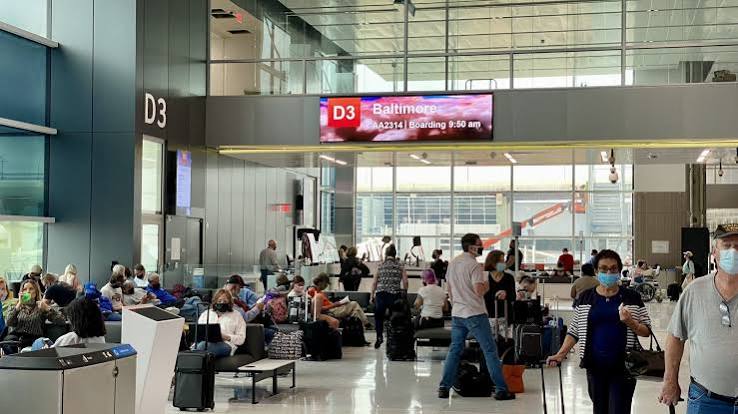
I was at the DFW airport on Monday and walked past people waiting to board a flight to Wichita. My heart raced and my palms grew sweaty. I thought, “Why am I responding in fear to a flight leaving for Wichita?” I spoke at Spirit Aero a few years ago. They are Wichita’s largest employer and make the fuselage for the 737MAX and the 787. I would not be able to go back and speak there today. If I use a public restroom anywhere in the state of Kansas, I can be fined $1000 and anyone in the restroom can sue me for personal damages. That’s the law. In Kansas. After I passed the Wichita gate, It took a few minutes for my heart rate to return to normal. Note, I was not getting on the flight to Wichita, I was just walking past the gate.
I have a lot of respect for our current state senator, Janice Marchman. We’ve gotten to know each other over the last year. She also comes from an evangelical background. She’s read my memoir and endorsed me in my run for mayor. She is in a tight race. I have contributed to her campaign and have a sign in my front lawn, but I have not offered to canvas for her. Why? Because as a transgender woman, outside of a few neighborhoods in my own town, I would not feel safe canvassing.
In new environments I used to freely mention that I am trans. Casual acquaintances don’t seem to know it, and I discovered it’s better if I tell them than if they find out some other way. The reasons for that are complicated, and not the subject of this post. But I find that my willingness to reveal my gender identity is on the wane. I didn’t notice it until I was working with speaker’s coaching clients at an event in Ohio this past week. I did not tell anyone at the conference who I was. I stayed silent because I did not feel safe with people knowing my identity, at least not in suburban southern Ohio in 2026.
After the trip to Cincinnati and passing the gate for the flight to Wichita, I felt an uneasy anxiety. Because of a string of delays, the norm for travel on American Airlines nowadays, I would not be getting home until well after the Admiral’s Club had closed. I really wanted to stop by and visit with my friends who work there. I needed to see them. I needed to feel safe with people who affirm me as I am.
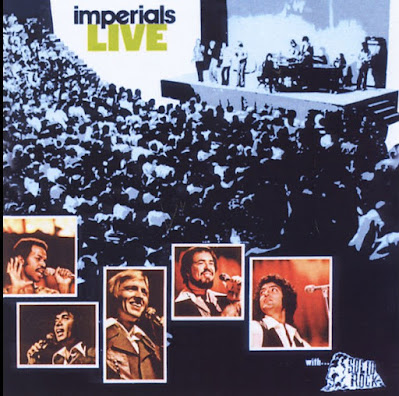
The night after I got home I watched a new video from one of the few pleasures I allow myself from my previous life. I have always loved Southern Gospel music, and I still like the Gaither Vocal Band, the Isaacs, and other groups that appear on the Gaither Homecoming Series. In the interstitials between the songs there was an interview with the Isaacs. One of their members parroted words from the far right about how, if certain forces get into power, our religious freedoms will be taken from us. Bile rose in my throat and I almost gagged. I turned off the video. The next day I realized I will not be turning it back on.
Previously I could enjoy the music and suspend disbelief about the political leanings of the musicians. Now I cannot. I thought of all of the obviously gay people who appear and sing on those videos, all closeted, all terrified of being outed, everyone else ignoring what at some level must be patently obvious. I understand their decision to remain in the closet. If they come out they will lose everything. They will not be safe. Few people have the ego strength to make that journey.
Why did a single comment from a single musician slam shut a door I had kept propped open? I love the music and always have, but I do not love it enough to tolerate that kind of rhetoric. I know people who use that kind of language will vote for legislators who will make it illegal for me to use the restroom in their state. My fear has grown to the point that suspension of disbelief, or casually divulging my gender status, or even thinking about going to states where it is illegal for me to use a restroom, or reading a novel about the years leading up to World War II, have all become untenable. They all engender fear.
I know of no transgender person who has an easier life than mine. I have been elected to public office, receive big paychecks for speaking at corporations all over the world, have been wonderfully affirmed through the response to my three TED Talks, and have had a memoir published by Simon and Schuster. No trans person’s life has been more comfortable than mine, but today, right here in Boulder County Colorado, in the United States of America, I am frightened. I am afraid for my wellbeing. I fear losing my freedom, and yes, even my life.
I have trans friends and acquaintances who have moved out of the United States. They were too frightened to remain here I thought they were overreacting. I realize they were not.